How To Trade stocks
How to Trade Stocks Profitably: A Professional Trader’s Playbook
Trading stocks profitably isn’t about luck, hot tips, or chasing hype—it’s about discipline, strategy, and managing risk like a professional. After years in the markets, one truth stands out: consistent profitability comes from mastering the process, not predicting the outcome.
Let’s break down how serious traders approach the game.
1. Start With a Proven Strategy (Not Guesswork)
Every profitable trader operates with a clear edge—a strategy that has been tested and refined over time. This could be:
Trend following (riding momentum)
Breakout trading (entering when price escapes a range)
Mean reversion (betting on price returning to average)
News-based trading (reacting to catalysts)
The key isn’t which strategy you pick—it’s whether you can execute it consistently. Jumping between strategies is one of the fastest ways to lose money.
2. Risk Management Is Everything
Professionals don’t focus on how much they can make—they focus on how much they can lose.
A few core rules:
Never risk more than 1–2% of your capital per trade
Always use stop-loss orders
Think in terms of risk-to-reward ratio (aim for at least 1:2)
You can be wrong half the time and still make money—if your winners are larger than your losers.
3. Timing Beats Prediction
Amateur traders try to predict where the market will go. Professionals wait for confirmation.
Instead of guessing tops and bottoms:
Wait for price action signals
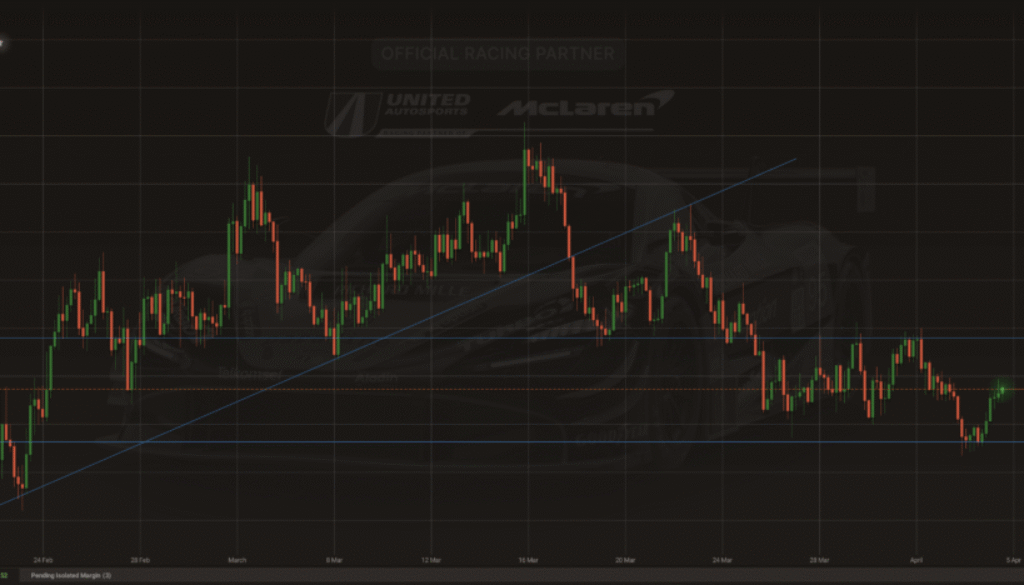
Use support and resistance levels
Let the market show its hand before committing capital
Patience isn’t optional—it’s a competitive advantage.
4. Control Your Emotions (This Is the Hard Part)
Fear and greed destroy more accounts than bad strategies.
Common emotional traps:
FOMO (Fear of Missing Out) → chasing late entries
Revenge trading → trying to recover losses quickly
Overconfidence → increasing size after wins
Professional traders follow rules even when it feels uncomfortable. Discipline is what separates survival from failure.
5. Focus on High-Quality Setups
You don’t need to trade every day. In fact, trading less often can improve your results.
Ask yourself before every trade:
Does this match my strategy?
Is the risk clearly defined?
Is the reward worth it?
If the answer isn’t a clear yes, skip it. There will always be another opportunity.
6. Keep a Trading Journal
If you’re not tracking your trades, you’re not improving.
Record:
Entry and exit points
Reason for the trade
Outcome
Emotional state
Over time, patterns will emerge—both in what works and what doesn’t.
7. Master One Market Before Expanding
Many beginners spread themselves too thin—stocks, forex, crypto, options.
Pick one market. Learn its behavior. Understand its rhythm.
Depth beats breadth.
8. Think Long-Term, Even as a Trader
Ironically, short-term trading success comes from long-term thinking.
You won’t win every trade—or every week. What matters is:
Consistency over months
Protecting capital during drawdowns
Letting your edge play out over time
Trading is a marathon disguised as a sprint.
Final Thoughts
Profitable trading isn’t about being right—it’s about being disciplined, managing risk, and executing a repeatable system.
If you remember nothing else, remember this:
Amateurs chase profits. Professionals manage risk.
Master that, and you’re already ahead of most market participants.